

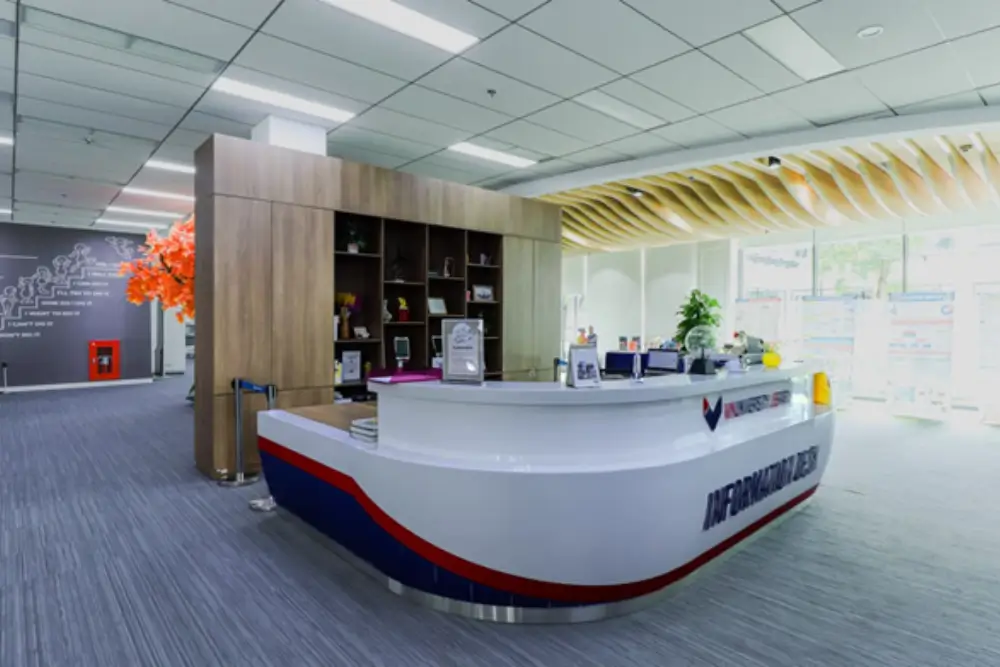
Customers can begin forming an impression of a business long before they make a purchase or have a meaningful conversation with an employee.
They may notice the exterior of your premises, check your website, read reviews, look for parking, walk through the front door, or simply observe how a member of staff responds when they arrive.
Each interaction provides information.
The goal is not to create an artificially perfect image. It is to make sure the early signals your business sends are consistent with the experience you want customers to expect.
Getting those details right can help your business attract attention for the right reasons.
First Impressions Start Before the Conversation
People make judgments quickly, but businesses sometimes interpret this to mean that first impressions are mainly about appearance.
They are broader than that.
A prospective customer may notice whether:
- Your website works properly
- Opening hours are accurate
- Signage is clear
- The premises are easy to find
- Parking or access instructions make sense
- The entrance looks maintained
- Employees acknowledge them
- Their appointment starts on time
- It is obvious where they should go or what they should do next
None of these details is dramatic.
Together, however, they begin answering an important customer question:
What will it be like to deal with this business?
That is why first impressions are operational as well as visual.
Set the Tone With Your Business Premises
Your premises can communicate something about your brand even before a customer speaks to anyone.
From signage and curb appeal to window displays, gardens, entrances, and parking areas, the condition of the environment can influence expectations.
A neglected exterior does not necessarily mean the company provides poor service, but customers do not have access to all the information you have about the business. They make judgments using the signals available to them.
That makes basic maintenance valuable.
Invest in appropriate cleaning and understand the value of commercial landscape maintenance where outdoor space is part of the premises.
Keep entrances, parking lots, patios, yards, and customer-facing areas reasonably clean and maintained. Repair obvious damage and make sure signage is visible and current.
You do not necessarily need expensive landscaping or an elaborate reception area.
What matters is that the environment looks intentional rather than ignored.
A modest space that is clean, functional, and well maintained can create a better impression than an expensive space with obvious signs of neglect.
Remove Friction From the Arrival Experience
Appearance matters, but convenience often matters just as much.
Consider what the customer experiences between deciding to visit and actually beginning their appointment or purchase.
Can they find you easily?
Is the correct entrance obvious?
Is parking straightforward?
Do they know whether they need to check in?
Is someone available when they arrive?
Is the waiting area comfortable enough for its purpose?
If your premises are difficult to access, send clear information before the visit.
Small operational improvements can make the business feel significantly more organized without requiring major investment.
This is where first impressions become more than curb appeal.
A polished entrance followed by a confusing check-in process creates an inconsistent experience.
Prioritize Customer Service
Once customers begin interacting with your team, service becomes one of the clearest signals about what the company values.
Small gestures can matter.
A polite greeting, acknowledgment when someone arrives, clear information about delays, and an offer of appropriate help can make people feel that their time and business are valued.
Customers should not feel that they are inconveniencing employees by asking for assistance.
The financial stakes are also significant. Qualtrics’ 2026 consumer research estimates that organizations globally have nearly $3 trillion in sales at risk from poor customer experiences.
That makes customer service more than a matter of politeness.
It is part of the commercial experience.
Training can help, but businesses should be careful about treating good service as a script.
Customers can usually tell the difference between a rehearsed greeting and genuine attention.
Employees need enough knowledge, authority, and support to solve common problems rather than simply being told to appear friendly while dysfunctional processes remain unchanged.
Look for the Causes of Poor Service
When customers repeatedly complain about service, the immediate assumption may be that employees need more training.
Sometimes they do.
But service problems can also originate elsewhere.
An employee may appear inattentive because staffing levels are inadequate.
Customers may become frustrated because internal software is slow.
Reception staff may repeatedly face complaints because appointments are scheduled too closely together.
Employees may give inconsistent information because policies are unclear.
Before treating a customer-service problem purely as a people problem, examine the system behind it.
Good service becomes easier when employees have the resources and processes required to provide it.
Focus on Professional Presentation Without Creating a Costume
If your team deals with customers face-to-face, presentation should broadly support the type of business you operate.
A law firm, restaurant, fitness studio, design agency, medical practice, and children’s retailer will naturally have different expectations.
The objective is not to make every employee look identical.
It is to create enough clarity that staff understand what appropriate presentation means within their role and workplace.
First impressions are not always accurate, so appearance should never become a substitute for competence, knowledge, warmth, or service.

Dress codes or workplace guidelines can be useful when they are practical, relevant to the role, and communicated clearly.
The strongest impression usually comes from the combination of presentation and behavior.
An immaculately dressed employee who ignores a waiting customer creates a far weaker impression than someone who looks appropriate for the role and provides excellent assistance.
Your Digital Presence Is Part of the First Impression Too
For many customers, the first encounter with a physical business now happens digitally.
They may search for you before visiting.
That means your website, Google Business information, online reviews, booking system, social profiles, and email communication can all shape expectations before anyone arrives.
Check that basic information is consistent.
Are your address and opening hours correct?
Does your website reflect the business customers will actually encounter?
Can people contact you easily?
Does the booking process work?
Are outdated promotions or staff details still visible?
A strong physical experience cannot completely compensate for a frustrating digital one, and the reverse is also true.
Customers experience the business as one organization, not as separate marketing, operations, facilities, and customer-service departments.
Consistency Builds Trust
One impressive touchpoint is useful.
Consistency is stronger.
Imagine a prospective client encounters polished branding online, receives clear appointment information, arrives at well-maintained premises, is greeted promptly, and then meets someone who is prepared for the conversation.
Each interaction reinforces the others.
Now imagine the opposite.
The website looks premium, but the address is outdated. The premises are impressive, but nobody acknowledges the customer. The employee is excellent, but the booking system has lost the appointment.
The problem is not simply that one detail went wrong.
The inconsistency creates uncertainty.
That is why businesses should look at the customer journey as a connected experience rather than trying to perfect isolated moments.
Audit Your Own First Impression
It can be difficult to evaluate your own business because familiarity makes problems less noticeable.
Occasionally experience the company as a new customer would.
Search for it online.
Visit the website on your phone.
Follow the directions.
Approach the building from the parking area or street.
Walk through the entrance.
Call the main number.
Send an inquiry.
Try the booking process.
Notice where you hesitate, become confused, or have to work harder than expected.
You can also ask someone unfamiliar with the business to do the same.
The objective is not perfection.
It is identifying small points of friction or neglect that customers may encounter repeatedly while employees have stopped noticing them.
Make the First Experience Match the Business You Want to Be
Businesses often only have limited opportunities to establish confidence with a prospective customer.
The strongest first impression does not come from one expensive feature or carefully rehearsed welcome.
It comes from alignment.
Your premises, digital presence, communication, employees, customer service, and operational details should broadly reinforce the same message about the business.
If you want customers to see the company as professional, make the experience organized.
If you want it to feel welcoming, remove unnecessary friction.
If reliability is central to the brand, be accurate and prepared.
First impressions matter because customers have limited information when they first encounter a business.
Give them enough good evidence to make the next interaction an easy choice.
