

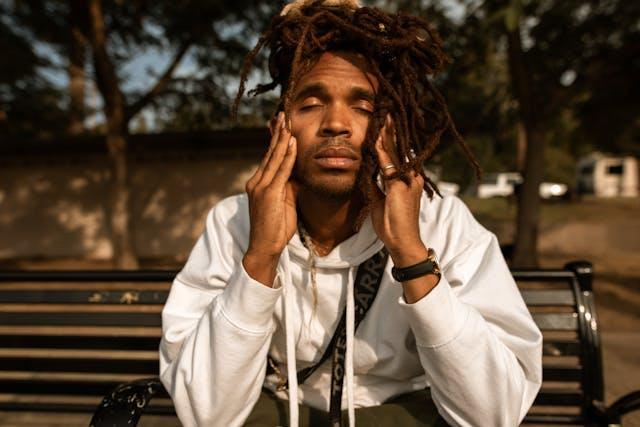
Relief often means finding a quick break from stress, pressure, or emotional discomfort. People search. Relief for me often means finding a quick break from stress, pressure, or emotional discomfort. I sometimes search for comfort in ways that feel easy and instant. I may eat junk food after a hard day, or I may scroll through social media for hours. These quick fixes create the illusion of calm and distraction. As a matter of fact, these choices only cover my deeper struggles and push the real problem aside. Seeking relief in unhealthy ways might seem harmless at first glance, yet the cost slowly builds. My health declines, stress worsens, and emotional wounds remain unhealed. In this article, I explore the risks hidden within these patterns. I explain why short-term comfort often creates long-term harm and why change is worth the effort.
Why Stress Often Drives Unhealthy Choices
Stress pushes me to act quickly, often without thinking about long-term effects. My body responds with tension, restlessness, and unease, which creates an urge to escape discomfort. Besides, my brain seeks fast comfort, favoring options that provide instant relief over thoughtful solutions. This is why I may grab unhealthy snacks, pour a drink, or binge-watch late into the night. Work deadlines, strained relationships, and financial struggles often spark this pattern. The harder life feels, the stronger the need for a quick fix becomes. In short, the cycle deepens as poor choices increase my stress rather than reduce it. Unhealthy relief may calm me for a moment, yet it leaves the deeper struggle unresolved. Over time, stress and harmful coping reinforce each other, trapping me in repeating loops.
Turning to Alcohol: A Risky Escape
Alcohol often feels like the fastest way to ease stress. A drink creates a short pause, numbs heavy emotions, and brings quick relaxation. It is one of the easiest ways of seeking relief in unhealthy ways. However, it never solves the real problem that causes my stress. I may notice that one drink turns into two, then three, as tolerance grows. The cycle deepens and creates dependence, leaving me weaker instead of stronger. Many discover that even 7 days without alcohol shows how much clarity and energy can return. The risk hides in how alcohol masks emotions while damaging my body and mind. My sleep worsens, anxiety increases, and my health declines. Long-term use erodes my relationships and career growth. Relief feels temporary, but the real pain remains. In the end, alcohol adds weight to the very burden it was meant to lift.
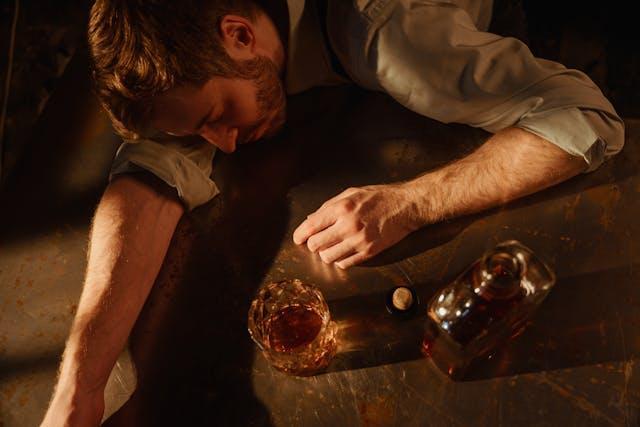
Many people are seeking relief in unhealthy ways by drinking alcohol, but it doesn’t solve real problems,
Overwork and Busyness as Hidden Avoidance
Working nonstop often looks like my strength and productivity. I sometimes bury emotions by filling every moment with tasks, projects, or obligations. In contrast, this constant busyness hides pain rather than healing it. My body and mind pay the cost through exhaustion, irritability, and burnout. Important relationships weaken when work always takes priority. Rest becomes rare, and emotional needs go unanswered. Stress piles higher because the root cause never receives attention. I may believe productivity makes the problem disappear, yet fatigue makes stress even heavier. I lose sleep, my motivation drops, and mistakes at work increase. In short, working harder does not mean I live healthier. True strength comes from slowing down, acknowledging emotions, and facing difficulties directly. Productivity without pause simply deepens the very struggles I try to escape.
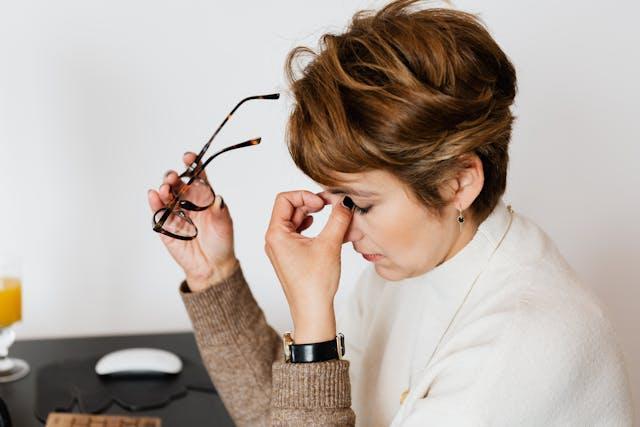
Keeping yourself busy at work as a distraction won’t make you feel better
Emotional Numbing Through Food or Binge-Watching
Comfort food and endless streaming appear harmless after a hard day. Eating sweet or salty snacks feels soothing, while hours of silence can calm my mind. Then again, these actions do not release my stress; they only mute it. Food brings me a sugar rush followed by guilt, while binge-watching creates fatigue and lost time. In both cases, my emotions remain untouched, and problems continue to grow. Overeating may harm my health through weight gain, digestive issues, and low energy. Long sessions in front of screens may cut off my real human contact, which deepens loneliness. Temporary distraction leaves me further from balance and clarity. This cycle teaches my brain to seek quick relief over real healing. Small choices for short comfort create lasting setbacks that expand over weeks and months.
Social Media and Digital Escapes
Scrolling through social feeds distracts me from sadness, stress, or boredom. Notifications, likes, and videos spark short bursts of comfort. On the other hand, the comparison trap quickly appears. I see highlights of others’ lives and feel inadequate about my own. As time vanishes into endless scrolling, my anxiety grows. Screen overuse damages my sleep patterns and lowers my concentration during the day. Digital escapes offer distraction but weaken my real-world connections. Friends, family, and partners may notice a lack of presence. My emotional resilience declines as screens replace genuine support and interaction. The cycle continues because my mind craves easy pleasure from swipes and clicks. The cost is often invisible until mood, energy, and relationships suffer. Online relief looks simple, yet it magnifies my problems instead of easing them.
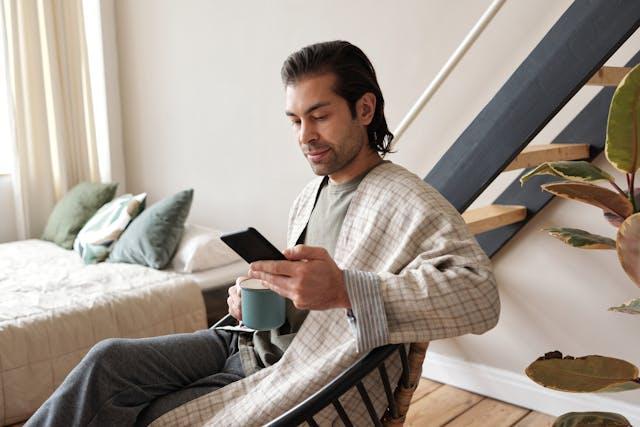
Watching other people’s lives on social media doesn’t make your life any better
Choosing Healthy Alternatives
Healthier coping starts with simple but intentional steps in my daily life. Exercise lifts my mood, and with consistency, it can drop the number of poor mental health days by 40%. Journaling also clears my thoughts, and therapy builds my emotional strength. For this reason, support groups and trusted friends replace isolation with connection. Small, steady habits matter more than sudden, extreme changes.
Walking daily, drinking more water, or taking five minutes for breathing restores my balance. Healthy alternatives create true relief instead of masking problems. My brain learns to seek comfort through constructive choices. Positive coping strengthens my confidence, energy, and relationships. With consistency, my stress decreases and resilience grows. On the other hand, ignoring stress keeps the cycle alive. Above all, building healthier responses shows my strength, not weakness. Change may feel challenging, yet every step creates progress toward lasting relief and better living.
The Ripple Effect of Unhealthy Coping
Every unhealthy coping choice spreads outward like ripples on water. A drink, late-night binge, or social media scroll may start small for me. Nevertheless, the effect expands into my health, finances, and relationships. Poor sleep leads to fatigue, which reduces my focus at work. Missed opportunities and weaker performance add more stress. Weight gain, debt, or conflict with loved ones create fresh problems. In like manner, trust can erode when my habits turn into patterns of neglect. My children, partner, and colleagues feel the impact of hidden struggles. What seemed like personal relief spread across every area of my life. Emotional burdens multiply as guilt and regret appear. Above all, my unhealthy coping does not stay contained. Its influence stretches far beyond the moment of relief.
The Real Cost of Seeking Relief in Unhealthy Ways
Seeking relief in unhealthy ways may bring me temporary comfort, but the damage builds quietly over time. Alcohol, food, overwork, or endless scrolling provide distraction, yet never resolve my stress. In short, these habits deepen problems and weaken my health, energy, and relationships. Choosing healthier coping methods creates balance, strength, and true relief. Small changes, such as exercise, journaling, or connecting with supportive people, transform my emotional strain into growth. Above all, the strongest path forward comes from facing my difficulties directly. Real healing begins when I make choices that support long-term well-being instead of masking pain.

Author’s Bio: Rebecca Anderson is a mental health writer focused on stress, coping strategies, and emotional well-being. She shares practical insights to help readers replace harmful habits with healthier choices. She believes that simple, consistent steps create lasting strength and resilience in everyday life.
