

Your home shapes how easily you focus, recover, and show up for the work that matters. Lighting, noise, clutter, physical comfort, and household routines all affect how much effort everyday life requires.
The goal is not to create a perfect home. It is to reduce unnecessary friction.
When useful things are easy to find, your workspace is comfortable, household problems are dealt with promptly, and work has a clear stopping point, more of your attention remains available for the things you actually want to do.
A supportive home can therefore become more than a place to live. It can provide a reliable base for professional progress, personal growth, and proper recovery.
The Environment Affects More Than Comfort
Your surroundings constantly compete for some degree of attention.
A crowded desk can remind you of unfinished tasks. Poor lighting can make concentrated work more tiring. Noise can interrupt focus even when you eventually learn to tolerate it. A chair that becomes uncomfortable after an hour creates another distraction that repeats every working day.
Guidance on the health effects of the environment also highlights factors such as natural light, access to nature, and supportive social spaces.
That doesn’t mean every room needs to be redesigned. Start with the places where you spend the most time and look for recurring problems.
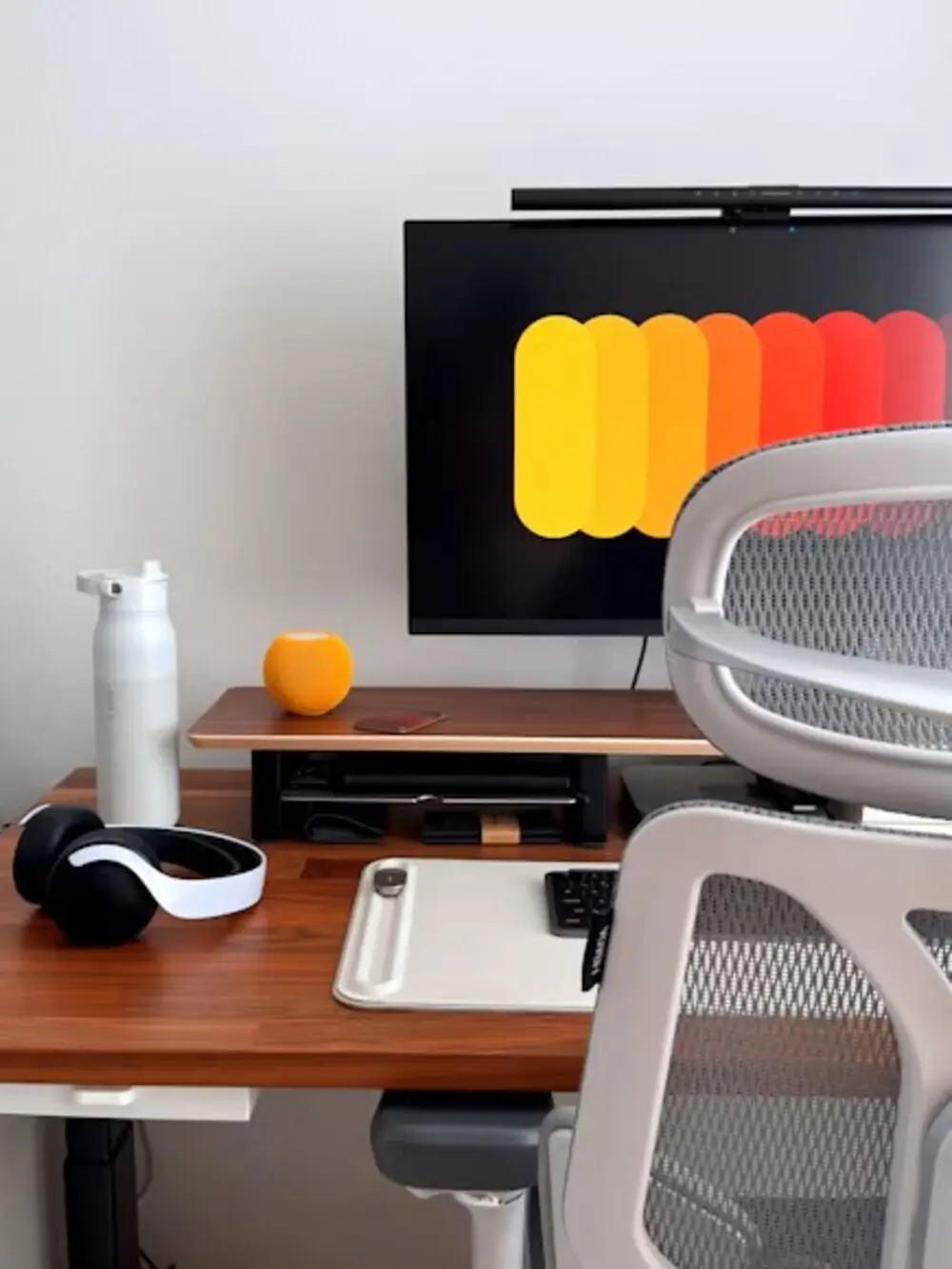
Clear enough space on your main work surface to use it comfortably. Open curtains during daylight hours where practical. Keep frequently used supplies within reach instead of repeatedly searching for them.
The most useful changes often address something that has been irritating you for weeks rather than transforming the entire room.
Reduce Everyday Friction
Small problems become significant because they repeat.
A charging cable across a walkway may only take seconds to move, but doing it several times a day creates unnecessary effort. A laundry basket in the wrong room means clothes consistently collect somewhere else. Paperwork without a clear destination gradually spreads across whichever surface is available.
Rather than repeatedly correcting the behavior, look at the environment causing it.
Move storage closer to where items are actually used. Create one place for paperwork that needs action. Repair or replace equipment that regularly causes discomfort. Keep essential household supplies somewhere convenient enough that putting them away does not become a project.
Home maintenance belongs in this conversation too. Problems that affect cleanliness, comfort, or the ability to use a room normally can become persistent distractions if they are left unresolved.
If insects are disrupting the household or affecting pets, for example, choosing an appropriate flea treatment for your home may form part of restoring a clean, comfortable living environment. Always read product labels carefully and follow the directions provided.
The principle is simple: solve recurring sources of friction at their source where possible.
Protect the Boundary Between Effort and Recovery
High performance depends on recovery as well as effort.
When household responsibilities repeatedly interrupt working hours and work continues into the evening, the boundary between the two can disappear. You may technically stop working without ever feeling that the workday has ended.
Create visible transition points where your schedule allows.
That might mean closing your laptop at 5:30 p.m., clearing your desk, taking a short walk, changing rooms, or beginning dinner. The action itself matters less than its consistency. Repeated cues can help create a clearer distinction between focused work and the rest of the day.
Families or shared households may also benefit from a common calendar for chores, appointments, quiet periods, and other responsibilities. Better visibility reduces the number of small negotiations that otherwise occur throughout the week.
As this discussion of environment and success suggests, surroundings, habits, and the people around us can all influence our ability to pursue goals.
A supportive home rhythm gives ambition some structure without allowing every available hour to become productive time.
Create a Home That Supports How You Actually Live
Organization works best when it reflects real habits rather than an idealized version of them.
If mail always lands beside the front door, creating a simple sorting point there may work better than expecting everyone to carry it immediately to an office. If your laptop moves between a dining table and another room, a nearby basket for work materials may be more useful than trying to maintain a permanent workstation you do not have space for.
This is particularly important when working remotely.
A dedicated office is useful when available, but it is not the only way to establish a functional setup. The publisher’s guide to a healthy home workspace offers further ideas for creating a comfortable working environment.
What matters most is consistency. Your workspace should make it relatively easy to begin work, access what you need, and put work away again when the day ends.
A weekly reset can help prevent small problems from accumulating. Spend 20 minutes dealing with surfaces, paperwork, shared spaces, and anything that has started drifting away from its usual place.
Ventilate rooms when weather and outdoor air conditions permit, wash bedding regularly, and deal with leaks, maintenance issues, or pest activity promptly.
These tasks are not glamorous, but that is partly the point. A functional home depends more on ordinary systems working reliably than on dramatic improvements.
Make Focus Easier to Enter
A good workspace reduces the number of decisions required before useful work can begin.
Keep the tools you regularly use accessible. Put your phone away if it predictably interrupts concentrated work. Close unrelated browser tabs. Keep water nearby. Write down your first priority before opening email or messaging apps.
You can also use simple environmental cues to mark the beginning of focused work.
Turning on a particular desk lamp, filling a water bottle, putting on headphones, or opening the same planning document can become part of a repeatable starting routine.
An equally clear shutdown routine matters.
Write down tomorrow’s first priority, close unnecessary tabs, put papers away, and remove anything from the workspace that belongs elsewhere. This reduces the number of unfinished decisions waiting for you the following morning.
The aim is not ritual for its own sake. It is to make starting and stopping easier.
Build a Personal Power Base That Fits Your Life
A useful home supports the way you genuinely live.
For one person, that may mean a quiet office with a closed door. For someone in a smaller home, it may mean a dining-table setup stored in a nearby basket when work ends. Someone with children, housemates, pets, or caring responsibilities may need a completely different system again.
Square footage matters less than whether the environment reduces avoidable friction.
Leave room for the parts of home life that restore you too. Meals, movement, sleep, relationships, hobbies, and ordinary downtime are not competing with professional success. They are part of the system that makes sustained effort possible.
The most useful measure of your home is therefore not how polished it looks.
Ask whether it helps you find what you need, begin work without unnecessary obstacles, recover when work ends, and deal with everyday responsibilities without constant interruption.
A home that does those things will rarely be perfect.
It doesn’t need to be.
It needs to work.
