

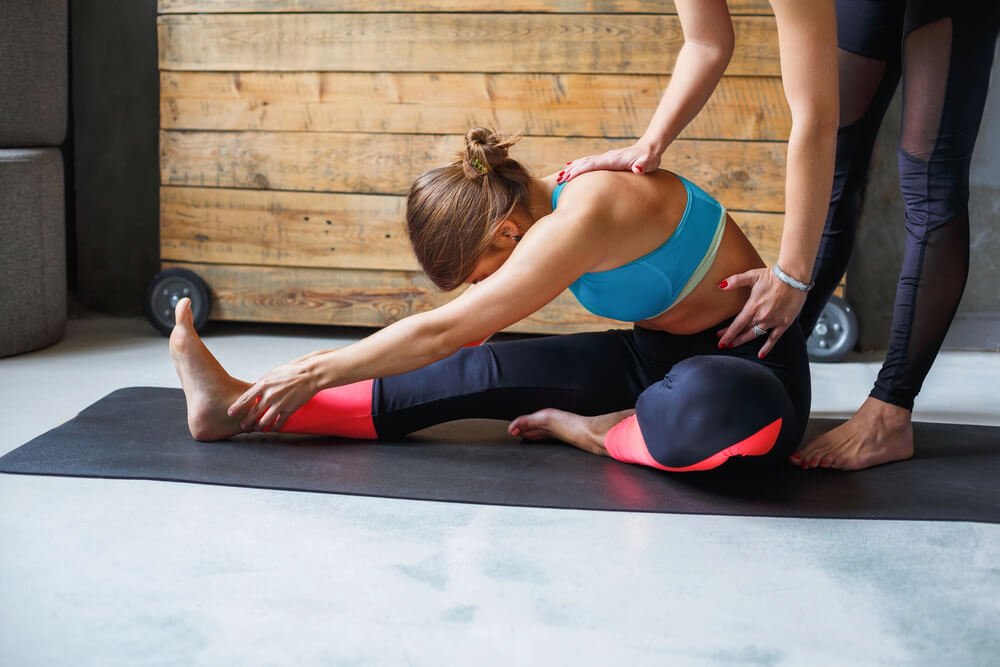
The wellness industry has shifted far beyond traditional gyms and rigid fitness programs. Increasingly, people are looking for sustainable ways to improve their health through everyday habits, work-life balance, stress management, movement, and routines that fit modern life.
That shift has created real opportunities for flexible wellness businesses that can begin on evenings and weekends rather than requiring an immediate leap into full-time entrepreneurship.
For many people, the appeal is not necessarily building the next wellness empire overnight. It is creating additional income, exploring a more meaningful area of work, or developing a business that aligns more naturally with their interests and lifestyle.
Starting small has also become far more realistic. Online learning platforms, scheduling tools, social media, digital payments, and remote coaching have lowered many of the barriers that once made service-based businesses difficult to launch alongside a full-time job.
The key is approaching it strategically rather than emotionally. Many wellness side hustles fail because people focus too heavily on aesthetics, branding, or trends before developing practical skills, consistency, or a realistic structure that fits their existing responsibilities.
Choose a Wellness Niche That Fits Your Real Life
One of the biggest mistakes people make is choosing a wellness trend instead of choosing an area they can realistically sustain long-term.
The most successful wellness side hustles usually integrate naturally into an existing lifestyle, interest, or daily routine. That matters because consistency becomes much harder when the business feels disconnected from how you already live and work.
Some people gravitate toward yoga because they enjoy structure, mindfulness, and slower-paced movement. Others are drawn to pilates because it combines strength, mobility, posture, and functional fitness in a way that fits modern working lifestyles. Coaching often appeals to people who naturally enjoy accountability, communication, and helping others navigate challenges. Content creation may suit individuals who enjoy writing, teaching, filming videos, or building online communities around wellness topics.
What matters most is sustainability.
A side hustle should not become a second exhausting full-time job layered on top of an already demanding schedule. If the business model depends on constant availability, daily content production, or unrealistic energy levels, burnout often arrives before growth does.
The strongest foundations are usually built slowly around habits people can realistically maintain.
Build Credibility Before Focusing on Visibility
There is now an enormous amount of wellness content online, which means trust matters more than ever.
People are becoming increasingly selective about who they take advice from, particularly as misinformation, AI-generated content, and unqualified coaching continue to flood social platforms. Simply enjoying wellness content is very different from being trusted to guide other people.
That is why education and practical experience still matter.
Certifications help create structure, confidence, and credibility while also giving people a clearer understanding of safety, communication, and client support. Many professionals begin with flexible programs such as pilates instructor training online, which allows them to gain qualifications without leaving their current jobs or disrupting existing commitments.
That flexibility is particularly important for people balancing work, finances, family responsibilities, and limited time.
At the same time, there is no need to collect endless certifications before starting. Modern audiences are often more interested in clarity, consistency, and practical value than inflated credentials or overly polished branding. One respected certification, ongoing learning, and real-world application are often enough to begin building trust.
Focus on Useful Content Instead of Constant Personal Branding
One reason many new wellness businesses struggle online is because they focus too heavily on creating a lifestyle image rather than genuinely helping people.
Modern audiences are increasingly resistant to over-curated wellness content that feels performative, unrealistic, or disconnected from everyday life. In a crowded digital environment, practical usefulness tends to outperform generic inspiration.
People are often looking for realistic support they can apply immediately. That may include:
- Desk stretches for remote workers
- Simple mobility routines
- Nervous system regulation techniques
- Wellness habits for busy schedules
- Healthy routines during stressful work periods
- Mindset shifts around consistency rather than perfection
- Sustainable approaches to movement and recovery
Content also tends to perform better when it reflects how people actually live today. Economic pressure, long working hours, digital overwhelm, hybrid work environments, and constant productivity culture have changed the way many people approach health and wellbeing.
The creators who stand out are often the ones who understand those realities instead of presenting wellness as an idealized lifestyle available only to people with unlimited time and resources.
Allow the Business to Evolve Gradually
Many people put unnecessary pressure on a side hustle to become profitable immediately. In reality, some of the strongest wellness businesses begin as small experiments that gradually develop over time.
What starts as a few evening clients or weekend classes may later evolve into digital products, memberships, workshops, coaching programs, community platforms, or full-time businesses.
That growth tends to happen more sustainably when people allow the side hustle to grow naturally instead of forcing rapid expansion too early.
There is also growing value in building smaller, more trusted personal brands rather than chasing large audiences. As online spaces become increasingly saturated, credibility, relatability, and trust are becoming stronger differentiators than visibility alone.
Consistency matters more than intensity.
Showing up regularly, continuing to improve your skills, and creating genuinely useful experiences for people often creates stronger long-term momentum than trying to scale too quickly before the foundation is ready.
