

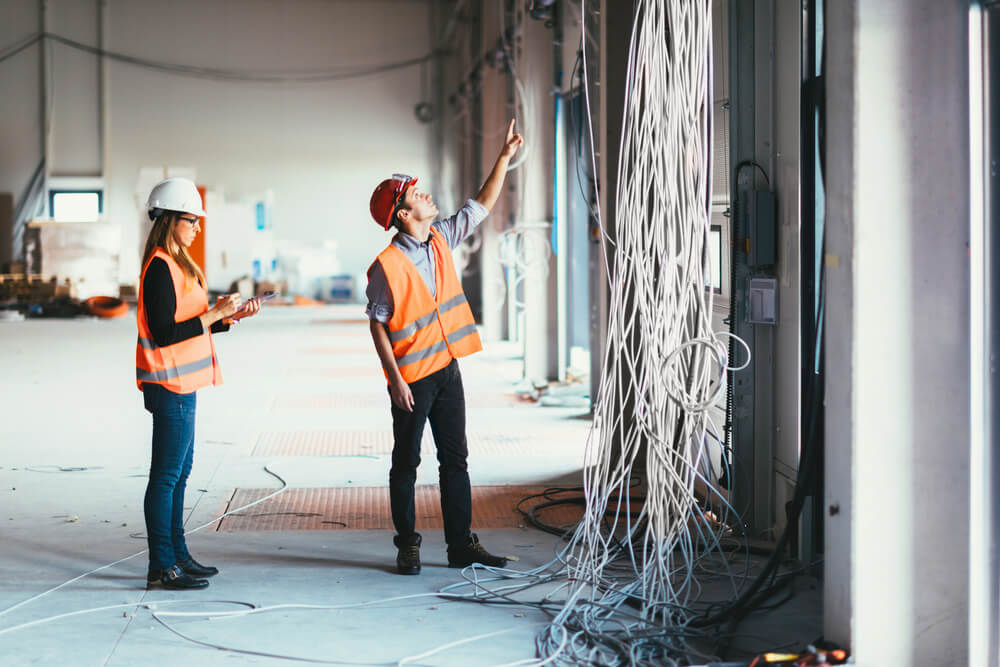
On a busy worksite, efficiency rarely breaks down all at once. More often, it slips gradually through small delays, system resets, or equipment that takes slightly longer to respond than it should. Individually, these issues may not feel urgent, which is why they are often overlooked at first. Over time, however, those small inefficiencies begin to accumulate, affecting both productivity and workplace safety in ways that are not always immediately obvious.
In industrial environments where operations run continuously and downtime carries real operational and financial consequences, even minor inconsistencies can create larger problems over time. This is where material durability starts to play a more important role than many businesses initially expect. It is not simply about longevity. It is about maintaining stable performance under pressure, day after day, in environments where reliability directly affects efficiency, maintenance demands, and workplace safety.
Below are six ways durable cabling contributes to safer and more efficient industrial worksites.
1. Small Failures Often Start With Overlooked Components
It is rarely the largest equipment failures that create the earliest operational problems. More often, smaller infrastructure components receive less attention during planning, despite playing an essential role in overall system stability. Over time, minor wear, environmental exposure, or internal stress begins to affect performance in subtle ways, which is where operational consistency can start to weaken.
It is easy to underestimate how much power cables contribute to system reliability until recurring issues begin tracing back to those smaller infrastructure decisions. As conditions vary across industrial worksites, platforms such as Duraline can help businesses compare options more clearly and make decisions based on practical performance requirements rather than assumptions alone. At this level, durability quietly supports the stability of everything around it.
2. Environmental Stress Builds Gradually Over Time
Heat, moisture, dust, and chemical exposure rarely create immediate failures, which is one reason these risks are often underestimated during the planning stage. Instead, environmental stress tends to build gradually, affecting insulation strength, flexibility, and internal resistance in ways that may not become visible during initial installation or testing.
A cable that performs well at the beginning of a project may respond very differently after months of continuous exposure, particularly in industrial environments where conditions fluctuate regularly. Looking beyond short-term installation requirements and considering how materials perform over time can help reduce operational risks that often become far more disruptive and expensive later.
3. Consistent Performance Helps Reduce Operational Interruptions
Industrial worksites do not rely solely on high performance during peak moments. They depend on steady, predictable output over extended periods of time. When materials begin degrading unevenly or struggle with fluctuating loads, the result is not always immediate system failure, but rather operational inconsistency that can become equally disruptive.
Equipment may respond unpredictably, require more frequent monitoring, or slow down under pressure, all of which gradually affects workflow efficiency. Prioritizing materials that maintain stable performance under changing conditions helps reduce unnecessary interruptions while supporting both productivity and overall system reliability.
4. Physical Durability Supports Safer Working Conditions
Cables within industrial environments are rarely static or protected from ongoing physical stress. They are bent, moved, exposed to mechanical pressure, and often routed through environments that place additional strain on materials over time. When durability is lacking, signs of wear such as cracking, fraying, or weakened insulation may develop gradually and remain unnoticed until larger problems emerge.
These conditions increase the risk of electrical hazards, particularly within high-demand worksites where equipment operates continuously. Choosing materials capable of withstanding repeated physical stress helps maintain structural integrity for longer periods, which directly contributes to safer and more stable working environments.
5. Fewer Breakdowns Allow Maintenance Teams To Work More Efficiently
When infrastructure components perform consistently, maintenance becomes more proactive and predictable rather than reactive. Frequent breakdowns and recurring technical issues often indicate that material choices were not fully aligned with the real demands of the working environment, even if they initially appeared sufficient.
Over time, repeated interruptions place additional strain on maintenance teams while also affecting productivity across the wider operation. Reducing the need for constant troubleshooting allows teams to focus more effectively on planned maintenance and operational continuity, creating a work environment that feels more stable and easier to manage overall.
6. Long-Term Efficiency Depends on Reliability
Efficiency is not simply about speed or short-term output. In industrial settings, it is more closely tied to how consistently systems perform without requiring constant correction, maintenance, or operational adjustments. When materials maintain their integrity over time, energy flow remains more stable, equipment performs as expected, and fewer resources are spent compensating for avoidable inefficiencies.
Small inconsistencies may appear manageable at first, but they often compound gradually and begin affecting wider operational performance. Building reliability into infrastructure decisions from the beginning creates a stronger foundation for long-term efficiency, particularly in environments where operational continuity matters every day.
Conclusion
Durability is rarely the most visible part of a worksite operation when everything is functioning properly, which is exactly why it can be underestimated during planning. Its real impact becomes clearer over time through fewer operational interruptions, more consistent performance, and reduced pressure on maintenance teams and infrastructure systems.
When businesses approach infrastructure decisions from a long-term operational perspective rather than focusing only on immediate functionality, reliability becomes easier to maintain across the entire worksite. In industrial environments where safety, consistency, and efficiency are closely connected, durable cabling plays a much larger role in overall operational performance than it may initially seem.
